

This is Women’s Health Month, celebrated each May to share knowledge that improves the health and wellbeing of women. This is a perfect time to reflect upon the state of your own health, something that women don’t always prioritize for themselves.
Health Conditions to Consider
There are numerous health conditions that disproportionally impact women, including:
Breast Cancer
One in eight women is likely to be diagnosed in her lifetime
Alzheimer’s Disease
Two-thirds of Alzheimer’s patients are women
Clinical Depression
Women are twice as likely as men to experience depression
Body/Mass Index
Over a third of women are obese, a risk factor for multiple diseases
Heart Disease
The leading cause of death for women in the US

How Often Should I Screen for Breast Cancer?
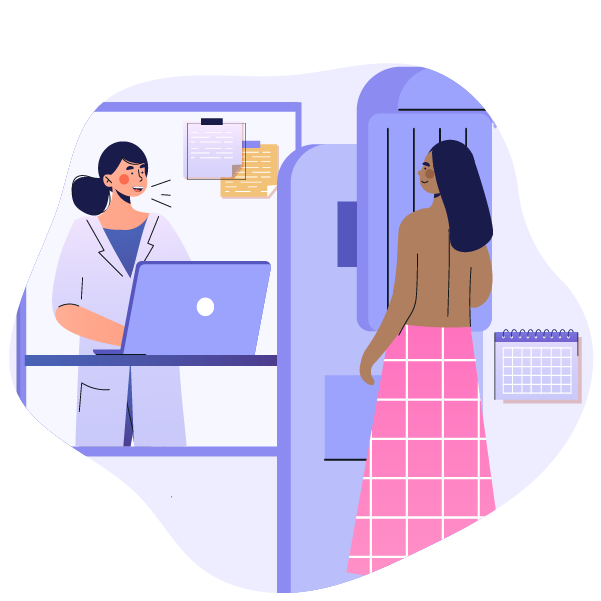
If you are at average risk, major health organizations recommend breast cancer screenings (mammograms) beginning at age 40. If you have a family history of breast cancer, a genetic mutation (such as BRCA), or a history of chest radiation, your doctor may advise you to start screenings earlier. If you have dense breast tissue (about 50% of women do) your doctor may recommend a different type of screening instead of a mammogram.
Alzheimer’s Disease Can Impact Women Differently
Women frequently have different Alzheimer’s symptoms than men. While both sexes experience memory loss, women often have more pronounced language difficulties (like finding the right words), rapid personality or mood shifts, an impact on decision-making and executive function, and a reduction in social interactions. In some cases, these symptoms are mistaken for menopause.
Women Have More Triggers for Depression

Women are much more likely to suffer depression than men, in part because women are uniquely affected by fluctuating hormones which can trigger or exacerbate depression during certain times, including:
PMDD, a severe form of PMS, in the weeks leading up to menstruation
Perinatal Depression, during pregnancy or following childbirth
Perimenopausal Depression, during the transition to menopause, with mood swings and hot flashes
Women Can Reduce Health Risks by Lowering BMI
Body Mass Index (BMI) is a screening tool that estimates your total body fat, which is a risk factor for multiple diseases. A high BMI is associated with an increased likelihood of developing conditions like heart disease, type 2 diabetes, high blood pressure and sleep apnea. To lose weight and reduce BMI, major health organizations recommend at least 150 minutes of moderate-intensity aerobic exercise (or 75 minutes of vigorous exercise) per week, as well as strength training for all major muscle groups at least 2 days a week.
Unique Heart Disease Symptoms in Women
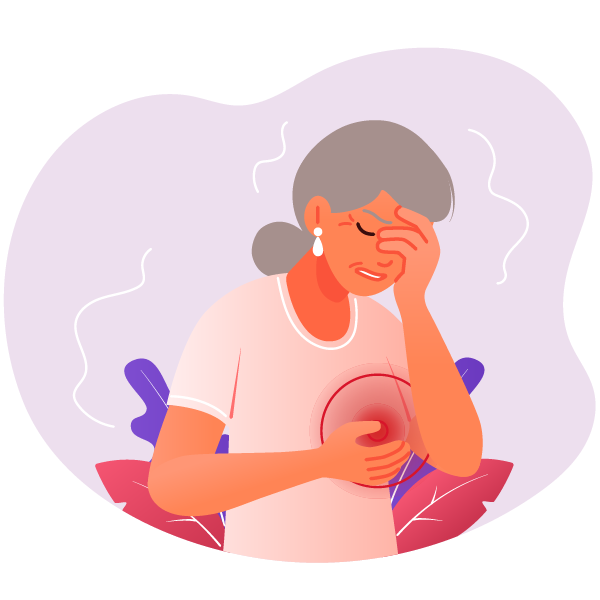
Coronary Heart Disease (CHD) is the most common form of heart disease and can present with a unique set of symptoms in women. Although women with CHD may have any of the symptoms listed below, women are more likely than men to experience nausea, fatigue and breathlessness.
Additional CHD symptoms include:
- Radiating pain
- Dizziness
- Cold sweats
- Heart palpitations
- Chest pain
Set Your Goals and Make a Plan
Whether it be getting a checkup, starting an exercise program or quitting smoking, have a goal and a plan to achieve it. Select a date to begin and keep a record of your progress. Involve friends and family to support you, and you will likely find some with the same goals you have. It’s Women’s Health Month—act now and take control of your health!
Get a mammogram and recommended diagnostic tests
Be checked regularly for blood pressure and manage it
Have an annual exam for high cholesterol and blood sugar
Start a routine to get regular physical activity every week
Strive to lower your Body Mass Index (BMI) to under 25
REALITYRx specializes in healthcare marketing and has extensive experience creating digital marketing campaigns for both consumers and healthcare professionals. See examples of our client work here. What can we do for you? Let’s start a conversation.
Health Conditions to Consider
Breast Cancer
One in eight women is likely to be diagnosed in her lifetime
Alzheimer’s Disease
Two-thirds of Alzheimer’s patients are women
Clinical Depression
Women are twice as likely as men to experience depression
Body/Mass Index
Over a third of women are obese, a risk factor for multiple diseases
Heart Disease
The leading cause of death for women in the US
How Often Should I Screen
for Breast Cancer?
Alzheimer’s Disease Can Impact Women Differently
Women Have More Triggers for Depression
Women are much more likely to suffer depression than men, in part because women are uniquely affected by fluctuating hormones which can trigger or exacerbate depression during certain times, including:
PMDD, a severe form of PMS, in the weeks leading up to menstruation
Perinatal Depression, during pregnancy or following childbirth
Perimenopausal Depression, during the transition to menopause, with mood swings and hot flashes
Women Can Reduce Health Risks by Lowering BMI
Unique Heart Disease Symptoms in Women
- Radiating pain
- Dizziness
- Cold sweats
- Heart palpitations
- Chest pain
Set Your Goals and Make a Plan
Get a mammogram and recommended diagnostic tests
Be checked regularly for blood pressure and manage it
Have an annual exam for high cholesterol and blood sugar
Start a routine to get regular physical activity every week
Strive to lower your Body Mass Index (BMI) to under 25
