

Each June we celebrate Men’s Health Month, focused on improving and advancing men’s health through connection, education, and advocacy. According to recent CDC data, men are 33% less likely than women to see a doctor every year, and 50% more likely to go 2 years without a checkup. Skipping regular medical care and screenings is one of the reasons men live an average of 6 fewer years than women.
Extend Your Life – 5 Medical Conditions to Take Seriously
These are medical issues that men should be aware of, concerned about, and get regularly checked for:
Heart Disease
The leading cause of death among men
Cancer
Men have a higher cancer mortality rate than women
Stroke
Men are at risk of stroke at an earlier age than women
Chronic Liver Disease
Men have much higher mortality rates than women
Diabetes
A debilitating condition that exacerbates other health conditions

Reduce Your Risk of Heart Disease
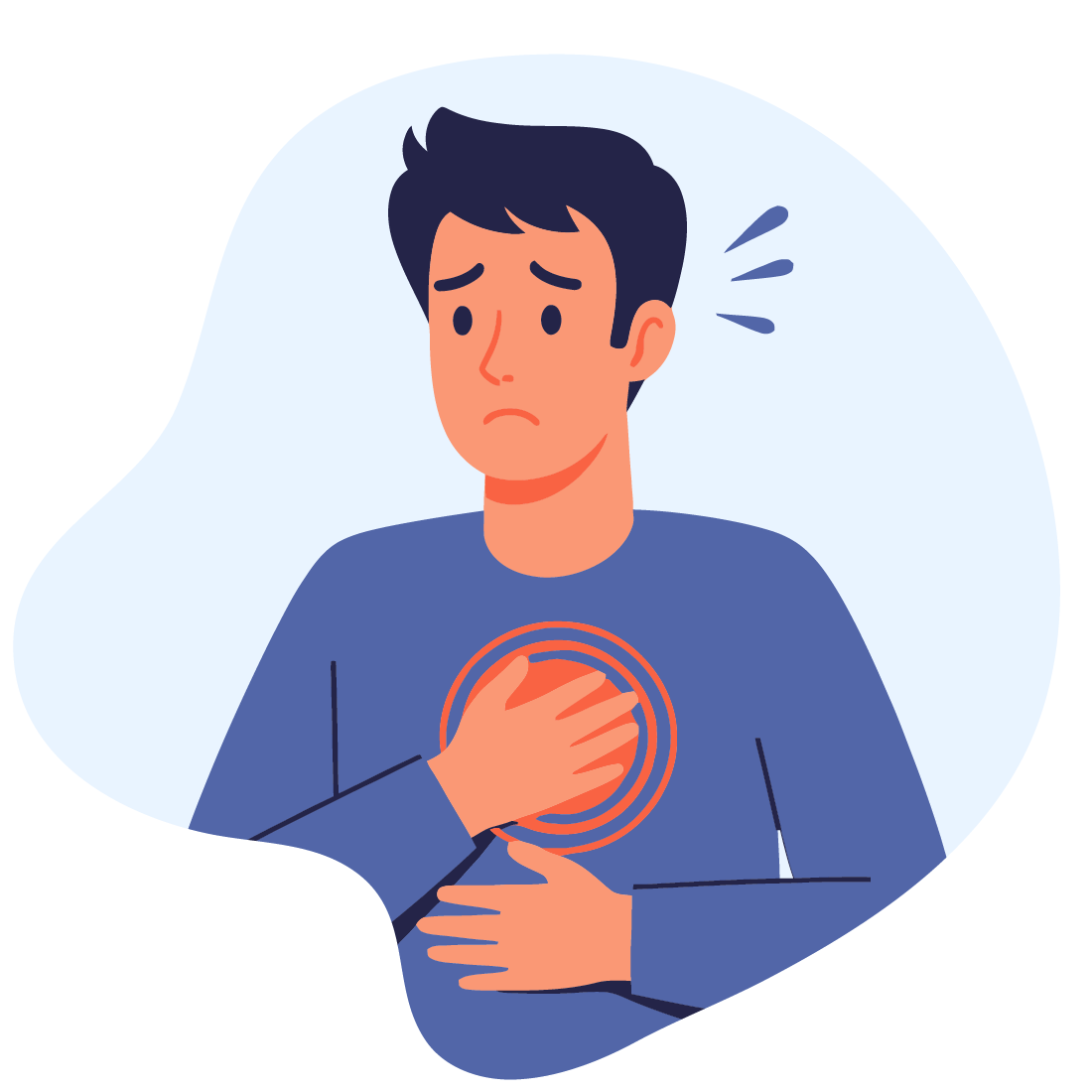
Coronary Heart Disease (CHD) is the most common form of heart disease. You can reduce your risk of CHD with regular exercise, a healthy diet, and by quitting smoking. Regular checkups are important and your doctor may prescribe certain medications.
CHD symptoms may include:
• Radiating pain
• Dizziness
• Cold sweats
• Heart palpitations
• Chest pain
• Nausea
• Fatigue
• Breathlessness
Prevent, Detect, and Treat Cancers Earlier
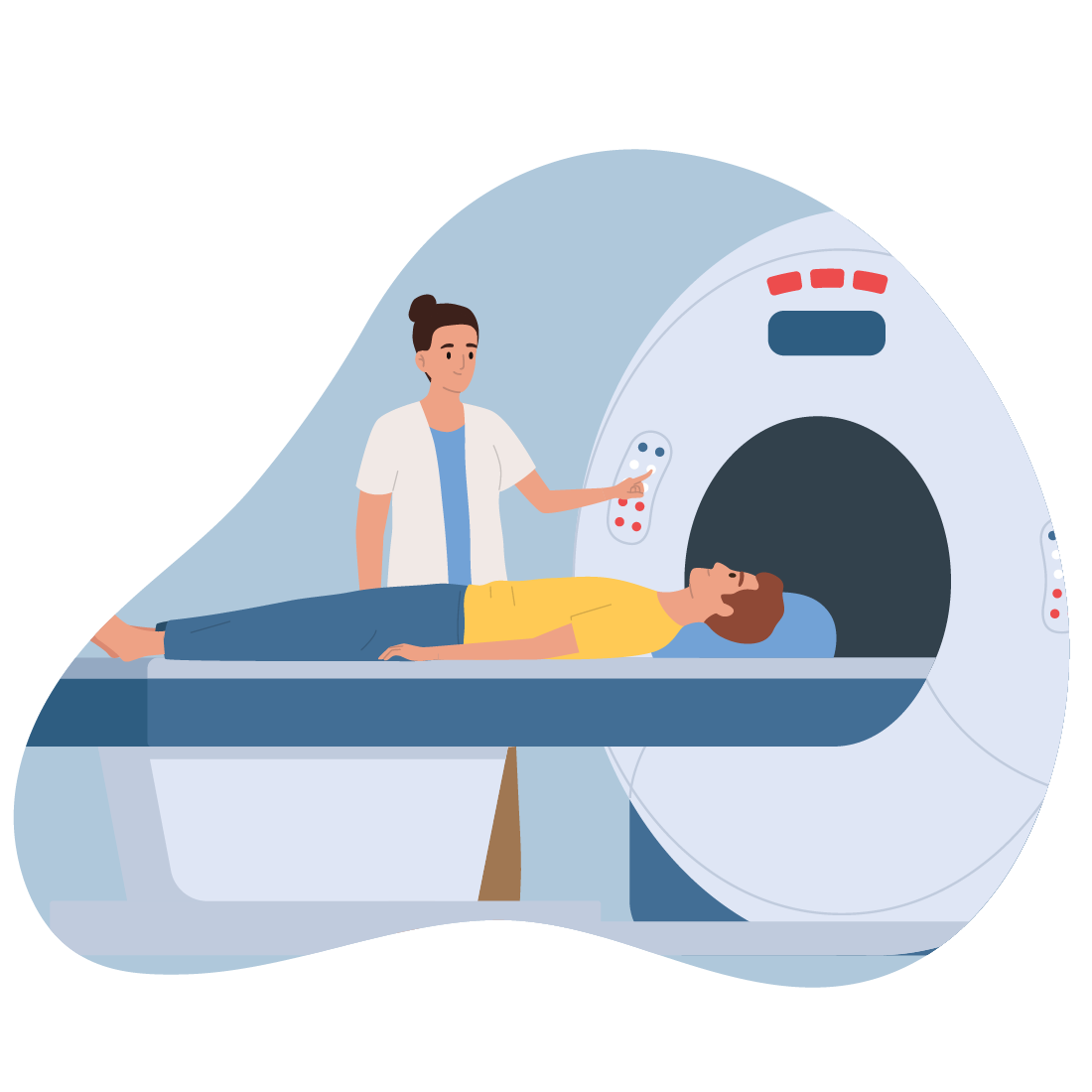
There are many common-sense steps you can take to help reduce your risk of cancer, such as using sunscreen, reducing alcohol consumption, and avoiding tobacco. Even so, many cancers are difficult to detect, especially in the early stages when they are most treatable. That’s why getting regularly tested and scanned for cancer is so important (and there are many different kinds of cancers). Talk to your doctor about what tests are recommended for you.
The Majority of Strokes Can be Prevented

Up to 80% of strokes can be prevented by implementing lifestyle changes and the management of related health issues. For example, high blood pressure is the #1 risk factor for stroke, so it’s very important to keep your blood pressure under control (usually through a combination of lifestyle modifications and medication). Managing blood sugar and cholesterol are also key to reducing your risk of stroke.
Preventing and Controlling Chronic Liver Disease
Men are more likely than women to suffer from chronic liver disease, which is caused by prolonged damage to the liver due to toxins, fat, or infections. Women have a natural advantage against liver disease – estrogen – which helps protect liver cells. Chronic liver disease is typically caused by heavy alcohol use, insulin resistance (related to diabetes), and the development of fatty liver disease. It can be prevented and controlled by restricting alcohol and making diet and lifestyle modifications.

Controlling Diabetes Reduces Multiple Risks

Diabetes (high blood sugar) negatively impacts many other health conditions – which means that controlling diabetes has multiplier effect on reducing your risk. Eating a healthy diet, controlling your weight, and getting regular exercise are some of the most important ways to help control diabetes. Major health organizations recommend at least 150 minutes of moderate-intensity aerobic exercise (or 75 minutes of vigorous exercise) per week, as well as strength training for all major muscle groups at least 2 days a week.
Living Longer Starts With a Plan
Whether it be getting a checkup, starting an exercise program, or quitting smoking, set your goal and work to achieve it. Select a date to begin and keep a record of your progress. Involve friends and family to support you, and you will likely find some with the same goals you have. It’s Men’s Health Month – Get in the Game!
-
Reduce your risk for heart disease
-
Prevent and detect cancer earlier
-
Lower your chance of having a stroke
-
Minimize your risk of liver disease
-
Lower blood sugar, increase exercise

REALITYRx specializes in healthcare marketing and has extensive experience creating digital marketing campaigns for both consumers and healthcare professionals. See examples of our client work here. What can we do for you? Let’s start a conversation.
Each June we celebrate Men’s Health Month, focused on improving and advancing men’s health through connection, education and advocacy. According to recent CDC data, men are 33% less likely than women to see a doctor every year, and 50% more likely to go 2 years without a checkup. Skipping regular medical care and screenings is one of the reasons men live an average of 6 fewer years than women.
Extend Your Life – 5 Medical Conditions to Take Seriously
These are medical issues that men should be aware of, concerned about and get regularly checked for:
Heart Disease
The leading cause of death among men
Cancer
Men have a higher cancer mortality rate than women
Stroke
Men are at risk of stroke at an earlier age than women
Chronic Liver Disease
Men have much higher mortality rates than women
Diabetes
A debilitating condition that exacerbates other health conditions
Reduce Your Risk of Heart Disease
Coronary Heart Disease (CHD) is the most common form of heart disease. You can reduce your risk of CHD with regular exercise, a healthy diet, and by quitting smoking. Regular checkups are important and your doctor may prescribe certain medications.
CHD symptoms may include:
• Radiating pain
• Dizziness
• Cold sweats
• Heart palpitations
• Chest pain
• Nausea
• Fatigue
• Breathlessness
Prevent, Detect and Treat Cancers Earlier
There are many common-sense steps you can take to help reduce your risk of cancer, such as using sunscreen, reducing alcohol consumption and avoiding tobacco. Even so, many cancers are difficult to detect, especially in the early stages when they are most treatable. That’s why getting regularly tested and scanned for cancer is so important (and there are many different kinds of cancers). Talk to your doctor about what tests are recommended for you.
The Majority of Strokes Can Be Prevented
Up to 80% of strokes can be prevented by implementing lifestyle changes and the management of related health issues. For example, high blood pressure is the #1 risk factor for stroke, so it’s very important to keep your blood pressure under control (usually through a combination of lifestyle modifications and medication). Managing blood sugar and cholesterol are also key to reducing your risk of stroke.
Preventing and Controlling Chronic Liver Disease
Men are more likely than women to suffer from chronic liver disease, which is caused by prolonged damage to the liver due to toxins, fat or infections. Women have a natural protective advantage against liver disease – estrogen – which helps protect liver cells. Chronic liver disease is typically caused by heavy alcohol use, insulin resistance (related to diabetes) and the development of fatty liver disease. It can be prevented and controlled by restricting alcohol and making diet and lifestyle modifications.
Diabetes Reduces Multiple Risks
Diabetes (high blood sugar) negatively impacts many other health conditions – which means that controlling diabetes has multiplier effect on reducing your risk. Eating a healthy diet, controlling your weight and getting regular exercise are some of the most important ways to help control diabetes. Major health organizations recommend at least 150 minutes of moderate-intensity aerobic exercise (or 75 minutes of vigorous exercise) per week, as well as strength training for all major muscle groups at least 2 days a week.
Living Longer Starts With a Plan
Whether it be getting a checkup, starting an exercise program or quitting smoking, set your goal and work to achieve it. Select a date to begin and keep a record of your progress. Involve friends and family to support you, and you will likely find some with the same goals you have. It’s Men’s Health Month – Get in the Game!
-
Reduce your risk for heart disease
-
Prevent and detect cancer earlier
-
Lower your chance of having a stroke
-
Minimize your risk of liver disease
-
Lower blood sugar, increase exercise

REALITYRx specializes in healthcare marketing and has extensive experience creating digital marketing campaigns for both consumers and healthcare professionals. See examples of our client work here. What can we do for you? Let’s start a conversation.
