

April is National Cancer Prevention and Early Detection Month, dedicated to increasing awareness of the importance of cancer prevention. About 40% of cancer cases and nearly half of cancer deaths in the United States are linked to preventable risk factors.¹ Although genetic factors play a role, your lifestyle choices can significantly impact long-term health outcomes.

The good news is, between 1991 and 2023 approximately 4.5 million cancer deaths were prevented by reducing risk. The most significant risk is cigarette smoking – quitting cigarettes and other tobacco products is the single most effective way to lower your odds of getting cancer, and smoking is responsible for nearly 30% of all cancer-related deaths.¹
There are many risk factors you can control: you can reduce the risk of developing skin cancer simply by using sunscreen and protective clothing. By engaging in regular physical activity at the levels recommended by the Centers for Disease Control and Prevention (CDC), you can reduce the risk of 9 different types of cancer.² And there is data suggesting that over 46,000 US cancer cases a year could be avoided just by meeting the recommended CDC guidelines for physical activity.²

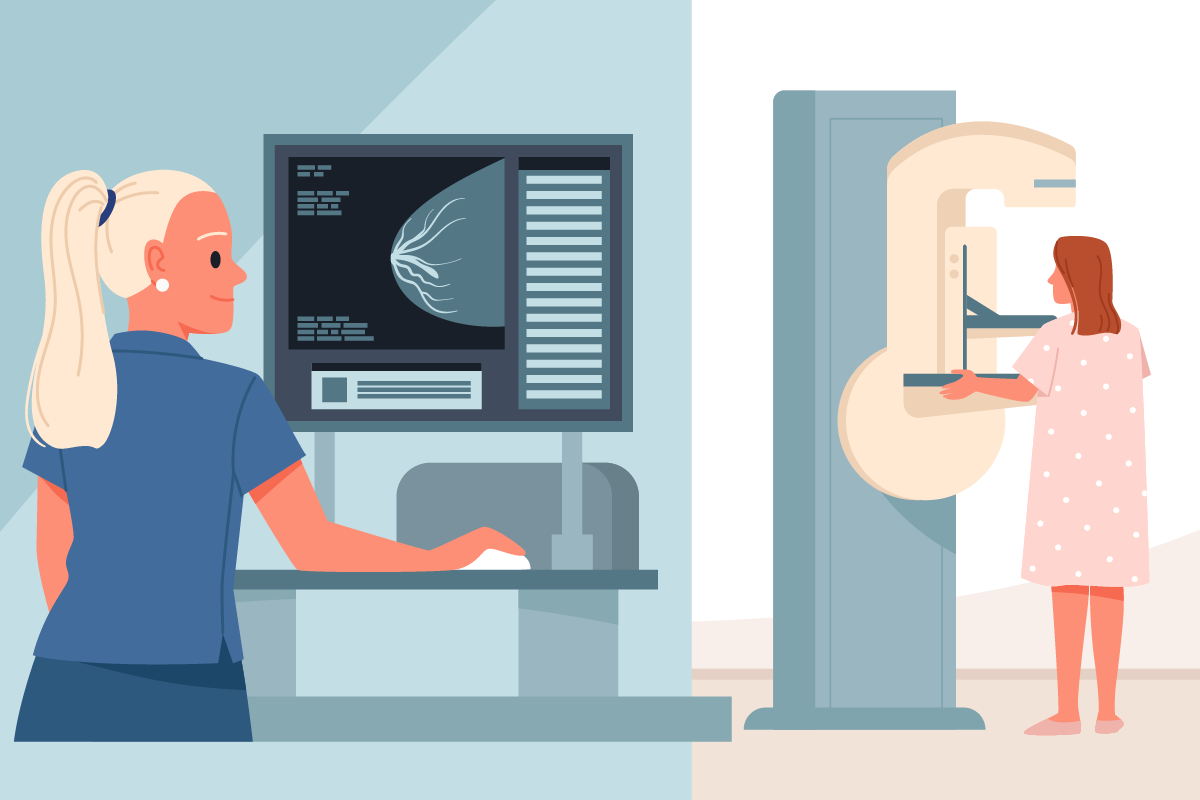
And while cancer prevention is important, so is early cancer detection. There have been numerous public campaigns to increase awareness and turnout for cancer screenings, as well as advances in technologies and treatments. A study analyzing deaths averted from breast, cervical, colorectal, lung, and prostate cancers between 1975 and 2020 found that together, prevention and early detection prevented an estimated 4.75 million cancer deaths.¹
Recent advances in targeted therapies and immunotherapies have transformed care for many hard-to-treat cancers.³ And the number of new therapies is growing: 20 new anticancer therapeutics were approved by the FDA from July 1, 2024, to June 30, 2025.4 Also approved were many additional indications for anticancer therapeutics, new early detection screening tests, and an innovative device that uses low-intensity electrical fields to slow the growth of lung cancer cells.4


The result is that cancer survivors are now living for years, even decades beyond their initial diagnosis.5 As of 2025, almost 50% of US cancer survivors have lived 10+ years since their diagnosis, and 22% have lived 20+ years.5 Today, nearly 80% of US cancer survivors are age 60+, which is only expected to increase.5
The 5-year relative survival rate for cancer patients increased from 49% among those diagnosed between 1975-77 to 70% among those diagnosed between 2015-21.6,7 As of January 1, 2025, the number of cancer survivors had grown to 18.6 million, approximately 5.5% of the US population.5 This reflects a nearly four-fold increase compared to 50 years ago, when survivors made up only 1.4% of the US population. And that number is projected to grow to over 22 million by 2035.5
REALITYRx specializes in healthcare marketing and has extensive experience creating digital marketing campaigns for both consumers and healthcare professionals. See examples of our client work here. What can we do for you? Let’s start a conversation.
References:
- Islami F, Marlow EC, Thomson B, et al. Proportion and number of cancer cases and deaths attributable to potentially modifiable risk factors in the United States, 2019. CA Cancer J Clin. 2024;74(5):405-432. doi: 10.3322/caac.21858
- López-Bueno R, Ahmadi M, Stamatakis E, et al. Prospective Associations of Different Combinations of Aerobic and Muscle-Strengthening Activity with All-Cause, Cardiovascular, and Cancer Mortality. JAMA Intern Med.2023;183(9):982–990. doi:10.1001/jamainternmed.2023.3093
- Kaufmann SHE (2019.) Immunology’s Coming of Age. Front Immunol. 10:684. doi: 10.3389/fimmu.2019.00684
- US Food and Drug Administration. fda.gov: Oncology Cancer Hematologic Malignancies Approval Notifications. Accessed April 10, 2026. https://www.fda.gov/drugs/resources-information-approved-drugs/oncology-cancerhematologic-malignancies-approval-notifications
- Wagle NS, Nogueira L, Devasia TP, et al. Cancer treatment and survivorship statistics, 2025. CA Cancer J Clin. 2025;75(4):308-340. doi:10.3322/caac.70011
- Siegel RL, Kratzer TB, Giaquinto AN, Sung H, Jemal A. Cancer statistics, 2025. CA Cancer J Clin. 2025;75(1):10-45.doi:10.3322/caac.21871
- NIH – National Cancer Institute: Surveillance, Epidemiology and End Results Program. SEER Explorer. Accessed April 10, 2026. https://seer.cancer.gov/statistics-network/explorer/application.html?site=1&data_type=1&graph_type=2&compareBy=sex&chk_sex_3=3&chk_sex_2=2&rate_type=2&race=1&age_range=1&hdn_stage=101&advopt_precision=1&advopt_show_ci=on#resultsRegion0
April is National Cancer Prevention and Early Detection Month, dedicated to increasing awareness of the importance of cancer prevention. About 40% of cancer cases and nearly half of cancer deaths in the United States are linked to preventable risk factors.¹ Although genetic factors play a role, your lifestyle choices can significantly impact long-term health outcomes.
The good news is, between 1991 and 2023 approximately 4.5 million cancer deaths were prevented by reducing risk. The most significant risk is cigarette smoking – quitting cigarettes and other tobacco products is the single most effective way to lower your odds of getting cancer, and smoking is responsible for nearly 30% of all cancer-related deaths.¹
There are many risk factors you can control: you can reduce the risk of developing skin cancer simply by using sunscreen and protective clothing. By engaging in regular physical activity at the levels recommended by the Centers for Disease Control and Prevention (CDC), you can reduce the risk of 9 different types of cancer.² And there is data suggesting that over 46,000 US cancer cases a year could be avoided just by meeting the recommended CDC guidelines for physical activity.²
And while cancer prevention is important, so is early cancer detection. There have been numerous public campaigns to increase awareness and turnout for cancer screenings, as well as advances in technologies and treatments. A study analyzing deaths averted from breast, cervical, colorectal, lung, and prostate cancers between 1975 and 2020 found that together, prevention and early detection prevented an estimated 4.75 million cancer deaths.¹
Recent advances in targeted therapies and immunotherapies have transformed care for many hard-to-treat cancers.³ And the number of new therapies is growing: 20 new anticancer therapeutics were approved by the FDA from July 1, 2024, to June 30, 2025.4 Also approved were many additional indications for anticancer therapeutics, new early detection screening tests, and an innovative device that uses low-intensity electrical fields to slow the growth of lung cancer cells.4
The result is that cancer survivors are now living for years, even decades beyond their initial diagnosis.5 As of 2025, almost 50% of US cancer survivors have lived 10+ years since their diagnosis, and 22% have lived 20+ years.5 Today, nearly 80% of US cancer survivors are age 60+, which is only expected to increase.5
The 5-year relative survival rate for cancer patients increased from 49% among those diagnosed between 1975-77 to 70% among those diagnosed between 2015-21.6,7 As of January 1, 2025, the number of cancer survivors had grown to 18.6 million, approximately 5.5% of the US population.5 This reflects a nearly four-fold increase compared to 50 years ago, when survivors made up only 1.4% of the US population. And that number is projected to grow to over 22 million by 2035.5
REALITYRx specializes in healthcare marketing and has extensive experience creating digital marketing campaigns for both consumers and healthcare professionals. See examples of our client work here. What can we do for you? Let’s start a conversation.
References:
- Islami F, Marlow EC, Thomson B, et al. Proportion and number of cancer cases and deaths attributable to potentially modifiable risk factors in the United States, 2019. CA Cancer J Clin. 2024;74(5):405-432. doi: 10.3322/caac.21858
- López-Bueno R, Ahmadi M, Stamatakis E, et al. Prospective Associations of Different Combinations of Aerobic and Muscle-Strengthening Activity with All-Cause, Cardiovascular, and Cancer Mortality. JAMA Intern Med.2023;183(9):982–990. doi:10.1001/jamainternmed.2023.3093
- Kaufmann SHE (2019.) Immunology’s Coming of Age. Front Immunol. 10:684. doi: 10.3389/fimmu.2019.00684
- US Food and Drug Administration. fda.gov: Oncology Cancer Hematologic Malignancies Approval Notifications. Accessed April 10, 2026. https://www.fda.gov/drugs/resources-information-approved-drugs/oncology-cancerhematologic-malignancies-approval-notifications
- Wagle NS, Nogueira L, Devasia TP, et al. Cancer treatment and survivorship statistics, 2025. CA Cancer J Clin. 2025;75(4):308-340. doi:10.3322/caac.70011
- Siegel RL, Kratzer TB, Giaquinto AN, Sung H, Jemal A. Cancer statistics, 2025. CA Cancer J Clin. 2025;75(1):10-45.doi:10.3322/caac.21871
- NIH – National Cancer Institute: Surveillance, Epidemiology and End Results Program. SEER Explorer. Accessed April 10, 2026. https://seer.cancer.gov/statistics-network/explorer/application.html?site=1&data_type=1&graph_type=2&compareBy=sex&chk_sex_3=3&chk_sex_2=2&rate_type=2&race=1&age_range=1&hdn_stage=101&advopt_precision=1&advopt_show_ci=on#resultsRegion0
