
What You Need to Know
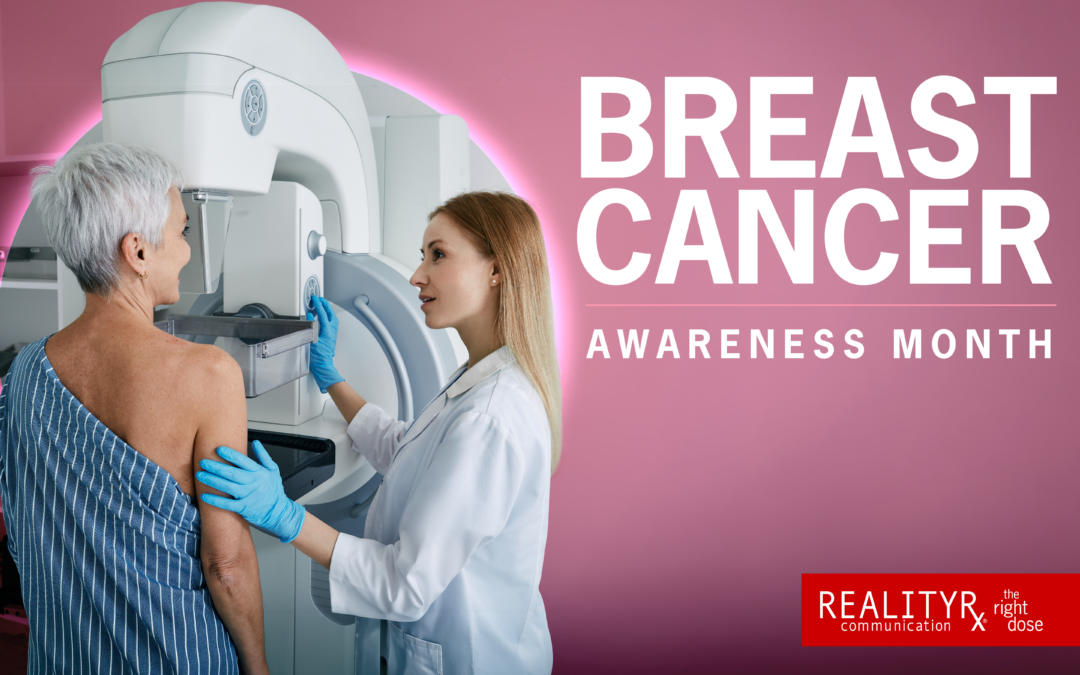
This is Breast Cancer Awareness Month, a great time to catch up on the latest statistics and strategies around preventing Breast Cancer, which is still the most common cancer among women. Men also get breast cancer, although much less frequently, accounting for less than 1% of breast cancer cases each year. Approximately 382,640 women in the U.S. will be diagnosed with breast cancer this year, and about 1 in 8 will have breast cancer in their lifetime.
The median age of diagnosis is 64, although there are rising rates of breast cancer in women under 50. Generally speaking, women 40+ should have annual appointments to be screened. Talk with your doctor and set a schedule that’s right for you.
What are the Symptoms?
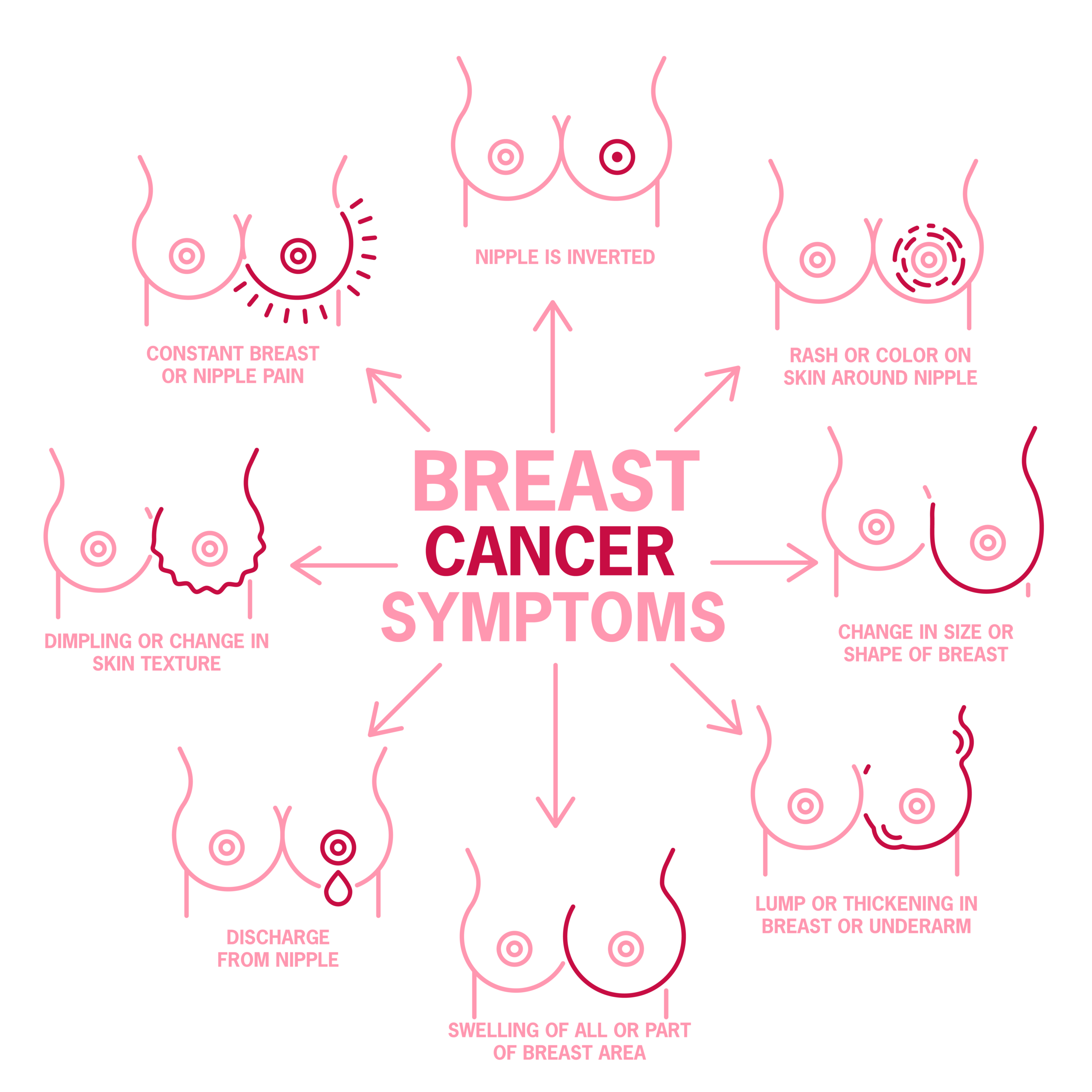
When something looks or feels different, it could be a symptom of breast cancer. Pay attention to a new lump or mass; a sudden pain; a thickening or fullness in the breast, upper chest or armpit; changes in skin texture or breast shape; an inversion or flattening of the nipple. If something has changed, talk with your physician. It also worth noting that in most cases, breast cancer starts without symptoms, which is why annual screenings are so important.
-
Lump in the breast or armpit
-
Breast dimpling or skin texture changes
-
Breast pain
-
Inverted nipple or nipple discharge
-
Change in breast shape or size
-
Redness and swelling of the breast
What Increases Your Risk?
Drinking alcohol and smoking can damage DNA and increase inflammation, stimulating mutations that can turn into cancer cells. In addition, alcohol is linked to higher estrogen levels which may increase some types of breast cancer. However, you can reduce your risk with regular exercise – it is associated with a reduction in both estrogen levels and inflammation.
Another factor that increases your risk is being born with dense breast tissue (about 50% of women). One reason for the increased risk is that mammograms are less effective at detecting tumors in dense breast tissue. The good news is, there are other screening options – talk with your doctor about what’s best for you.
What About Genetic Screening?
The American College of Radiology advises that all women complete a breast cancer risk assessment by age 25 to identify potential high-risk genetic indicators. If a family member carries a known pathogenic variant, or if you are diagnosed at age 50 or under, it is also recommended that you get a genetic risk assessment.
Modern testing methodology includes screening for dozens of high- and moderate-risk genes, including BRCA1, BRCA2, PALB2, CHEK2, and ATM. It is a common belief that most women who get breast cancer have a family history of the disease, but this is true in less than 10% of cases. The only thing you can be sure of is the need to get regular breast cancer screenings – and for some people, a genetic risk assessment.


What are the Survival Rates?
The good news is, Breast Cancer overall survival rates are relatively high compared with other types of cancers. The five-year survival rate (for all stages) is 91%, and over 99% when the cancer hasn’t spread. However, when the cancer has spread, the survival rates fall to 32% – a good reason to get annual screenings.
From strategy to creative to execution, RealityRx can help you position and build your brand to get noticed and achieve your sales goals. See examples of our client work.
What You Need to Know
This is Breast Cancer Awareness Month, a great time to catch up on the latest statistics and strategies around preventing Breast Cancer, which is still the most common cancer among women. Men also get breast cancer, although much less frequently, accounting for less than 1% of breast cancer cases each year. Approximately 382,640 women in the U.S. will be diagnosed with breast cancer this year, and about 1 in 8 will have breast cancer in their lifetime.
The median age of diagnosis is 64, although there are rising rates of breast cancer in women under 50. Generally speaking, women 40+ should have annual appointments to be screened. Talk with your doctor and set a schedule that’s right for you.
What are the Symptoms?
When something looks or feels different, it could be a symptom of breast cancer. Pay attention to a new lump or mass; a sudden pain; a thickening or fullness in the breast, upper chest or armpit; changes in skin texture or breast shape; an inversion or flattening of the nipple. If something has changed, talk with your physician. It also worth noting that in most cases, breast cancer starts without symptoms, which is why annual screenings are so important.
-
Lump in the breast or armpit
-
Breast dimpling or skin texture changes
-
Breast pain
-
Inverted nipple or nipple discharge
-
Change in breast shape or size
-
Redness and swelling of the breast
What Increases Your Risk?
Drinking alcohol and smoking can damage DNA and increase inflammation, stimulating mutations that can turn into cancer cells. In addition, alcohol is linked to higher estrogen levels which may increase some types of breast cancer. However, you can reduce your risk with regular exercise – it is associated with a reduction in both estrogen levels and inflammation.
Another factor that increases your risk is being born with dense breast tissue (about 50% of women). One reason for the increased risk is that mammograms are less effective at detecting tumors in dense breast tissue. The good news is, there are other screening options – talk with your doctor about what’s best for you.
What About Genetic Screening?
The American College of Radiology advises that all women complete a breast cancer risk assessment by age 25 to identify potential high-risk genetic indicators. If a family member carries a known pathogenic variant, or if you are diagnosed at age 50 or under, it is also recommended that you get a genetic risk assessment.
Modern testing methodology includes screening for dozens of high- and moderate-risk genes, including BRCA1, BRCA2, PALB2, CHEK2, and ATM. It is a common belief that most women who get breast cancer have a family history of the disease, but this is true in less than 10% of cases. The only thing you can be sure of is the need to get regular breast cancer screenings – and for some people, a genetic risk assessment.
What are the Survival Rates?
The good news is, Breast Cancer overall survival rates are relatively high compared with other types of cancers. The five-year survival rate (for all stages) is 91%, and over 99% when the cancer hasn’t spread. However, when the cancer has spread, the survival rates fall to 32% – a good reason to get annual screenings.
From strategy to creative to execution, RealityRx can help you position and build your brand to get noticed and achieve your sales goals. See examples of our client work.
