
More than 5 million Americans suffer daily from a Gastroparesis, a debilitating condition with symptoms like nausea, vomiting, retching, bloating and stomach pain after meals. These symptoms are not always obvious to other people, but they impact a patient’s lifestyle, making it difficult to attend school, hold down a job, and in severe cases, even to leave the house.
What causes it?
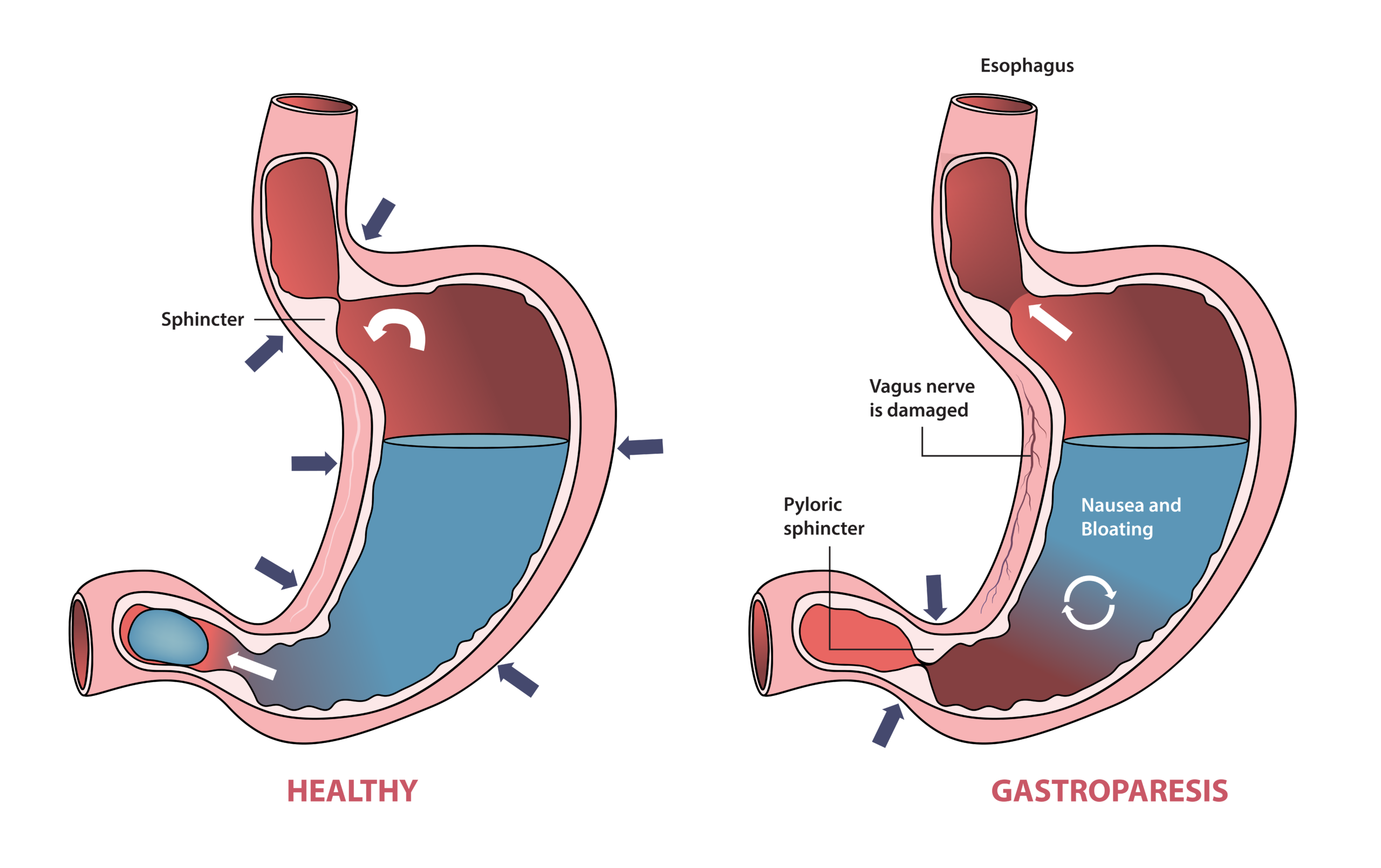
Gastroparesis is characterized by slow gastric emptying – food not transiting at a normal rate through the digestive system – due to stomach muscles that don’t function properly. How that comes about is not well understood, but there are some known associations: if you have diabetes, or had stomach surgery, viral infections, or a vagal nerve injury, you are much more likely to have Gastroparesis. Even so, the largest group of Gastroparesis patients are classified as ‘idiopathic” – meaning the underlying cause of their condition is unknown.
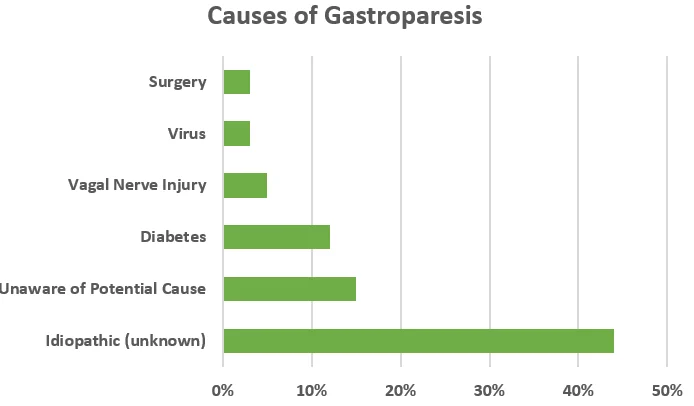
Causes of Gastroparesis, International Foundation for Gastrointestinal Disorders, Inc.
Who gets Gastroparesis?

Women are much more likely to develop Gastroparesis (82% of patients are female), leading to speculation that certain hormones may be associated with it. Gastroparesis can come on suddenly and affects people of all ages; the mean age of onset is 33.7 years. Much more research needs to be done to better understand, prevent and manage this condition. There is currently no known cure for it.
Are there Medicines or Procedures?
There is only one FDA approved medication indicated to treat Gastroparesis: Metoclopramide, a dopamine D2-receptor antagonist. Dopamine has a relaxant effect on the GI tract. You may be able to get additional symptom relief from antiemetic agents that help reduce nausea and vomiting, and from prokinetic (promotility) agents that help the stomach empty more quickly. There are also procedures that have enabled some patients to better manage their symptoms:
- Gastric stimulation
- Botulinum injections
- Enteral or parenteral nutrition
Lifestyle Management
There are things you can do to help reduce your symptoms. Dietary modification (for both children and adults) is usually recommended. Eat multiple small meals a day that are low in fat and fiber (because fats and fibers can delay gastric emptying). Avoid carbonated beverages and stay well-hydrated. Liquid diets are often well tolerated compared to solid foods. Daily light exercise, such as walking or yoga, particularly after eating, is believed to stimulate gastric emptying.

REALITYRx specializes in healthcare marketing and has extensive experience creating digital marketing campaigns for both consumers and healthcare professionals. See examples of our client work here. What can we do for you? Let’s start a conversation.
More than 5 million Americans suffer daily from a Gastroparesis, a debilitating condition with symptoms like nausea, vomiting, retching, bloating and stomach pain after meals. These symptoms are not always obvious to other people, but they impact a patient’s lifestyle, making it difficult to attend school, hold down a job, and in severe cases, even to leave the house.
What causes it?
Gastroparesis is characterized by slow gastric emptying – food not transiting at a normal rate through the digestive system – due to stomach muscles that don’t function properly. How that comes about is not well understood, but there are some known associations: if you have diabetes, or had stomach surgery, viral infections, or a vagal nerve injury, you are much more likely to have Gastroparesis. Even so, the largest group of Gastroparesis patients are classified as ‘idiopathic” – meaning the underlying cause of their condition is unknown.
Causes of Gastroparesis, International Foundation for Gastrointestinal Disorders, Inc.
Who gets Gastroparesis?
Women are much more likely to develop Gastroparesis (82% of patients are female), leading to speculation that certain hormones may be associated with it. Gastroparesis can come on suddenly and affects people of all ages; the mean age of onset is 33.7 years. Much more research needs to be done to better understand, prevent and manage this condition. There is currently no known cure for it.
Are there Medicines or Procedures?
There is only one FDA approved medication indicated to treat Gastroparesis: Metoclopramide, a dopamine D2-receptor antagonist. Dopamine has a relaxant effect on the GI tract. You may be able to get additional symptom relief from antiemetic agents that help reduce nausea and vomiting, and from prokinetic (promotility) agents that help the stomach empty more quickly. There are also procedures that have enabled some patients to better manage their symptoms:
- Gastric stimulation
- Botulinum injections
- Enteral or parenteral nutrition
Lifestyle Management
There are things you can do to help reduce your symptoms. Dietary modification (for both children and adults) is usually recommended. Eat multiple small meals a day that are low in fat and fiber (because fats and fibers can delay gastric emptying). Avoid carbonated beverages and stay well-hydrated. Liquid diets are often well tolerated compared to solid foods. Daily light exercise, such as walking or yoga, particularly after eating, is believed to stimulate gastric emptying.
REALITYRx specializes in healthcare marketing and has extensive experience creating digital marketing campaigns for both consumers and healthcare professionals. See examples of our client work here. What can we do for you? Let’s start a conversation.
